
In the late 1990s and early 2000s, most companies entering the robotic surgery space focused on mechanical precision—building arms, joints, and control systems that could mimic a surgeon’s hand. However, as the field matured, some companies recognized a pivotal bottleneck: optics. Vision proved just as critical as dexterity, and simple 2D laparoscopic views limited success, no matter the robotic arm's precision.
Innovators closed this gap by transforming vision systems, introducing advanced optics that delivered magnified, stereoscopic, high-definition views of the surgical field. This wasn’t just a better camera—it was a superhuman extension of the surgeon’s eyes, allowing for depth perception, clarity, and precision that traditional methods couldn’t match and completely redefining the surgeon’s experience.
This optical superiority wasn’t just a feature—it was a strategic moat. Competitors who focused solely on mechanical robotics couldn’t match the surgical outcomes enabled by those innovating their vision systems. This ultimately transformed surgery, reshaped the industry, and placed optical innovators on top.
Breakthroughs in optical systems unlock dramatic advances in performance and competitive edge. Yet, innovation can stall due to design challenges, manufacturing difficulties, or concerns over engineering and manufacturing partners disrespecting designs and IP. In this optics series, we detail the most pressing challenges and how to address each one.
Overcoming Optical Design Challenges
Creating optical systems optimized for size, performance, cost, or other factors begins with simulating the design, allowing it to be understood and improved. Generating advanced simulations helps to predict optical behavior and identify opportunities to eliminate components and refine lens prescriptions for better performance. However, while vital, this process is not all-encompassing. Modern optical systems are frequently integrated with other technologies to produce useful functions such as accurate magnification, focus, and image processing. They may even be combined with other optical systems, necessitating a systems engineering approach.
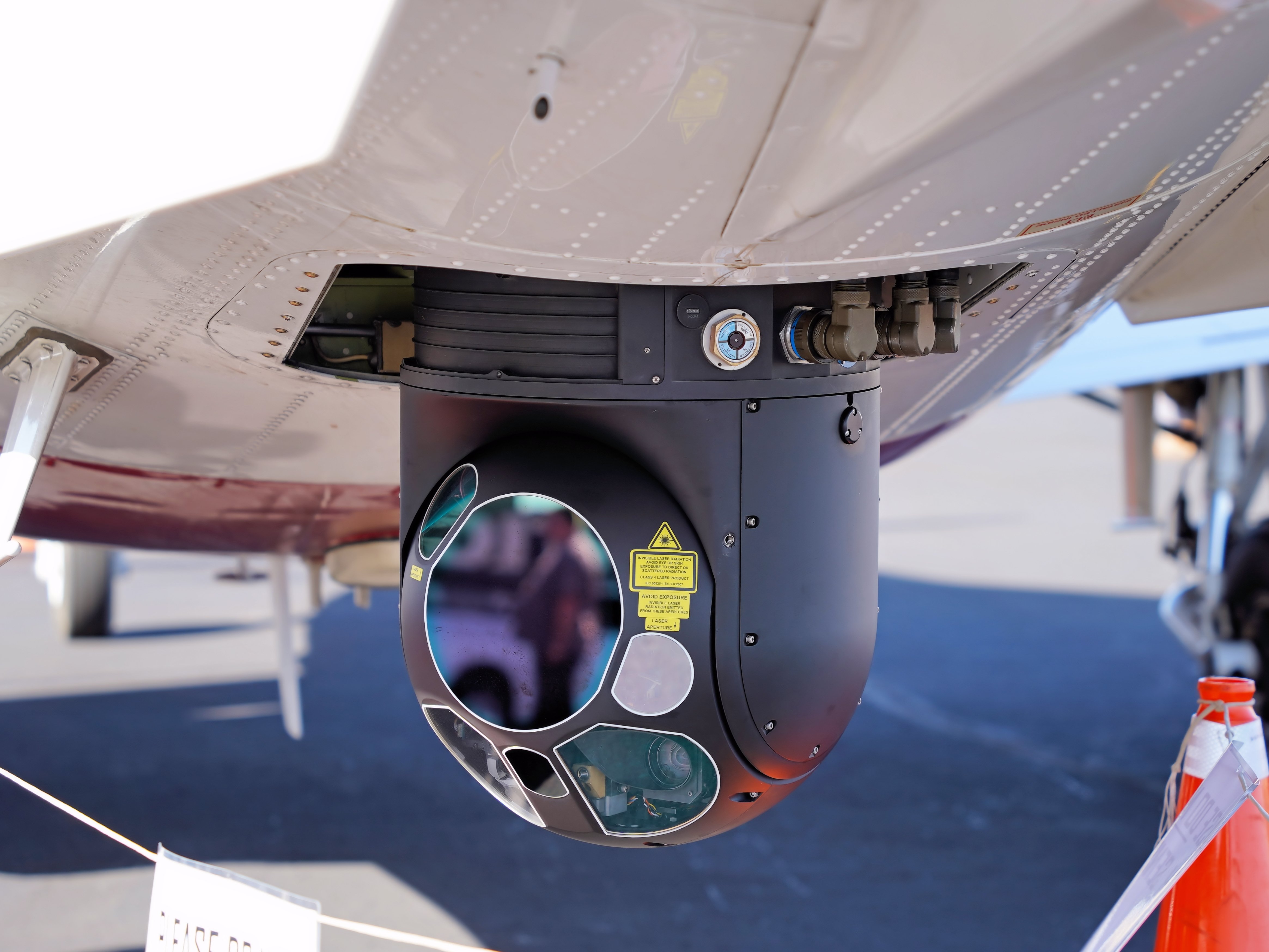
One example of this is optics for defense applications. Multiple optical subsystems can be combined for sensing, detection, and tracking, utilizing electro-optical cameras for visible-spectrum imagery, infrared cameras for low-visibility operations, and laser rangefinders for measuring distance and tracking targets. These systems may be housed in a gimbal built to withstand extreme temperatures and vibration, suitable for unmanned aircraft or land-based surveillance. With so many sensors, high-performance processors and software are essential for accurate, real-time sensor fusion, ensuring users receive accurate and timely information. Such a complex system must meet the challenges of Size, Weight, and Power (SWaP) and deliver consistent results with no downtime. Therefore, if you are considering outsourcing optical design expertise, it's best to select an engineering and manufacturing partner with a cross-disciplinary approach, an in-house engineering team, and proven experience with complex products.
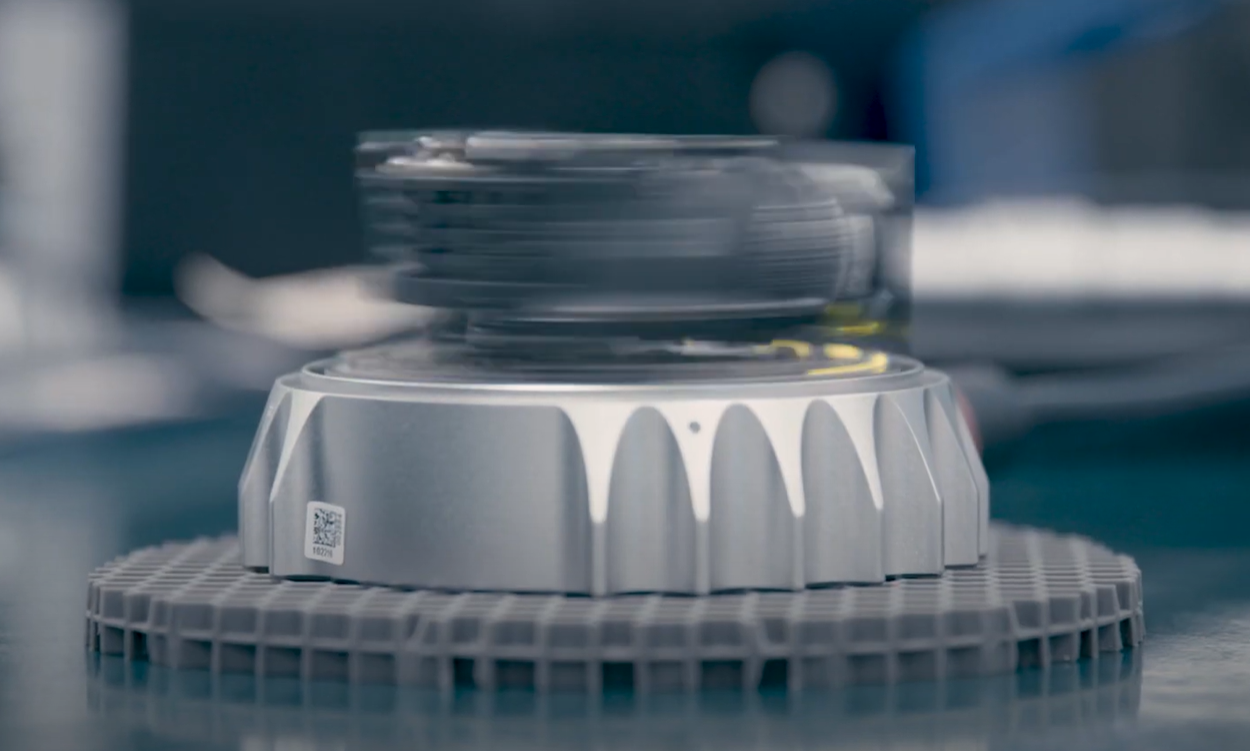
Lidar is another example of a product that combines optics with other technologies, integrating lasers and photodetectors into a miniaturized package with accurate electromechanical control, optimized microelectronic systems, and effective thermal management. Using our systems approach and extensive lidar experience, we achieved a 60% reduction in size and an 80% reduction in cost for this intelligent lidar device. Our expertise in cross-disciplinary design, Design for Manufacturing (DFM), and miniaturization supports complex optical products such as lidar. For more information, you can read our white paper on low-cost lidar in industrial automation.
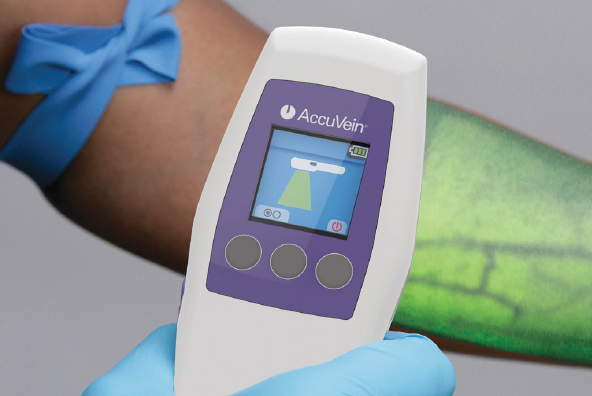
Benchmark’s large, in-house engineering staff is key to our success, enabling us to build experience developing complex optical systems for critical industries. Our experts in optics, automation, board design, software, mechanical engineering, robotics, and thermal management collaborate to deliver innovative, precision optical devices. One example of this is our work on the world’s first handheld vein viewer. This customer had a functioning tabletop prototype with a handheld wand that combined infrared laser for vein detection and a visible light projector to display a graphical representation of the vein location onto the skin in real-time. They needed a device far smaller that could be held in a nurse’s hand that achieved the same performance even in this small size. We successfully shrank the optical pathways, optimized thermal performance, integrated microelectronic components, designed the industrial form, and scaled production to bring this device to market and improve patient outcomes.
Value Engineering vs. Design for Cost
True value engineering enhances functionality or performance while reducing costs, a crucial factor in remaining competitive. Many partners equate this with design for cost, a process that only lowers costs without improving performance. At Benchmark, value engineering actually combines improved performance, better functionality, and reduced costs. Design for cost and value engineering are treated differently and offered as selectable services.
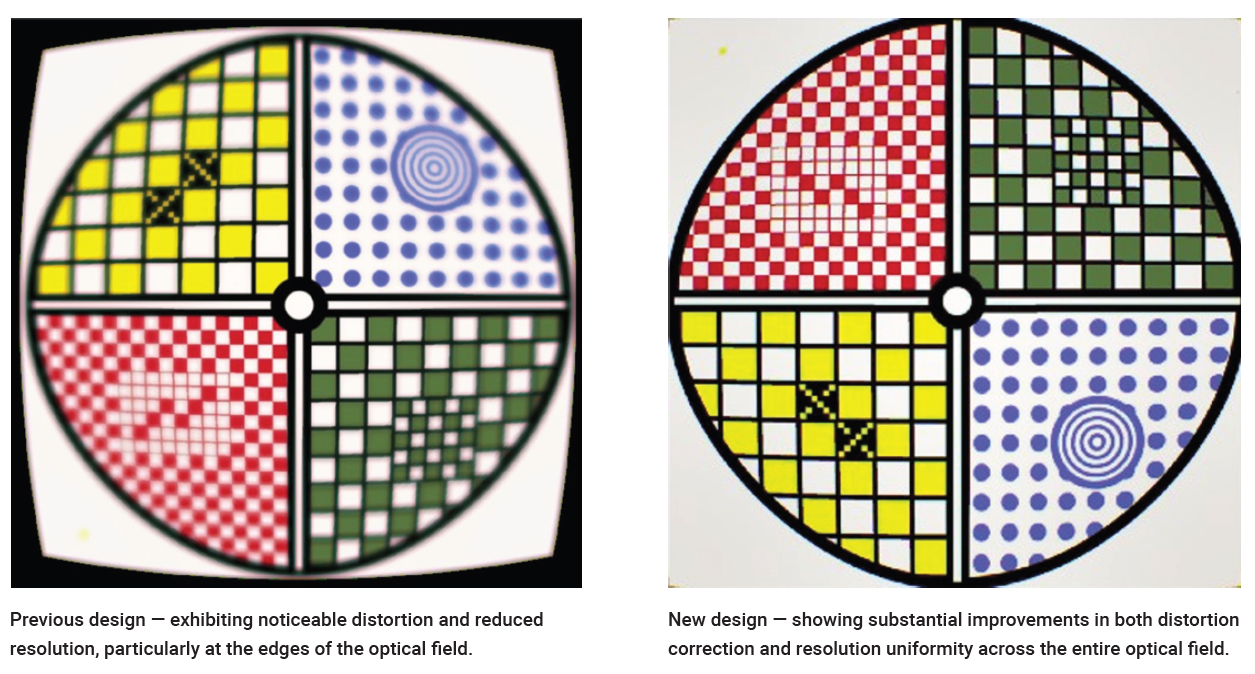
One key example of Benchmark’s true value engineering is a single-use arthroscope we helped to develop. This customer aimed to introduce a disposable arthroscope to the market that would be affordable for single-use applications. Disposability eliminates the need to sanitize arthroscopes between operations, preventing the risk of deadly infections. The customer brought us a concept and a prototype, and needed technical experts to help produce it affordably for single-use, while matching the performance of reusable arthroscopes. Our team of optics experts used a true value engineering approach, reducing the component count and improving optical performance by significantly lowering aberrations and distortion. This produced a solution that met cost targets while beating their expectations for performance.
Treating Designs and IP With Respect
Your designs and product construction are the lifeblood of your business. That’s why fears that an engineering or manufacturing partner won’t respect your design or will be lax with IP protection are prevalent. There may even be concern that the partner will use IP to help competitors, or become a competitor themselves. Failure to respect your design can lead to risky cost-cutting and reduced performance, damaging your brand’s reputation and placing end-users at risk. Loss of IP, especially to competitors, can eliminate the reason for hiring a partner in the first place.
To ensure customer trust, we provide all developed IP to clients and maintain stringent industry standards for information security practices. This involves not only securing design data in our information systems but also ensuring that manufacturing data is collected and secured throughout the manufacturing process using Benchmark’s proven Process Feedback System (PFS) and Shop Floor Control System (SFCS).
At Benchmark, we stand by our tagline: When It Matters™. Our purpose is to build what makes the world better, safer, and more connected. With decades of experience in the medical, defense, and industrial sectors, we’ve built a reputation for quality and performance. These products have a significant impact on the world; building them is a serious responsibility that we do not take lightly.
Moving From Design to Prototype and Beyond
Creating new or refined designs for your optical systems is only part of the battle. Prototyping, scaling, and full-scale production introduce a wide range of other challenges. In the next part of our series, we will examine the challenges involved and innovative ways to address them for limited-volume, high-mix production applications, such as those in the medical, industrial, and defense sectors.
In the meantime, we can assess your optical design roadblocks this month. Contact us here. Our experts are ready to reply quickly and discuss your goals in detail.


